More and more often, I’ve been contacted—especially by international clients—seeking support in starting the process of obtaining the CIN.
Milan is becoming increasingly international, with many people coming from abroad to purchase properties both as an investment and as a way to enjoy the city. I am not referring to investment funds (which likely rely on consulting firms or large agencies), but rather to individuals who buy second homes to live in occasionally and rent out during their periods of absence. And I am not referring only to the city of Milan, but to the Lombardy region as a whole. Just think of the well-known lake destinations in Lombardy, which attract a large number of tourists every year.
In these cases, more and more people need support to navigate Italian bureaucracy—especially those coming from abroad, who may be hearing for the first time about the CIN, the Alloggiati Web system, and dealing with Italian public offices.
I have helped these clients not only by handling the SUAP communication and all related procedures, but also by ensuring they are fully equipped to operate in compliance with current regulations and avoid the risk of penalties.
Short-term rental activity, regardless of how it is carried out, now requires proper compliance with an increasing number of regulations, with the risk of incurring fines and other issues if not properly managed.
I decided to write these lines to highlight that this aspect is part of my professional role: I can also take care exclusively of the bureaucratic side, guiding you through the initial phase and then leaving you fully independent.
Please feel free to contact me if this applies to you.
Today I decided to write a few notes about the Alloggiati Web system: What is it, and how is it used?
It is a platform provided by the Police Headquarters (Questura) to facilitate the registration of guests’ identification documents.
It’s important to know that in order to access the Alloggiati Web platform, you need credentials that can only be issued by the Italian State Police, following a request sent via certified email (PEC) to: dipps146.00n0@pecps.poliziadistato.it.
The processing time is approximately 30 days, and currently, the Police do not allow documents to be submitted using alternative methods. Therefore, it is crucial to submit the request as soon as possible—ideally at the same time as the SCIA declaration—to avoid delays caused by waiting for credentials.
The request must be submitted by completing the form available on the official website of the State Police, along with the following documents:
A copy of the authorization to operate: SCIA or prior notification submitted to the One-Stop Shop for Productive Activities (SUAP) of the relevant municipality;
A copy of a valid ID of the person listed as the owner of the property on the form;
A letter of authorization (delegation) if the applicant is not the same person as the property owner.
If you still have doubts or are unsure how to submit the request, feel free tocontact me—no obligation.
For this walk, there’s no need for a precise itinerary—just a bit of curiosity and a willingness to get lost among the streets.
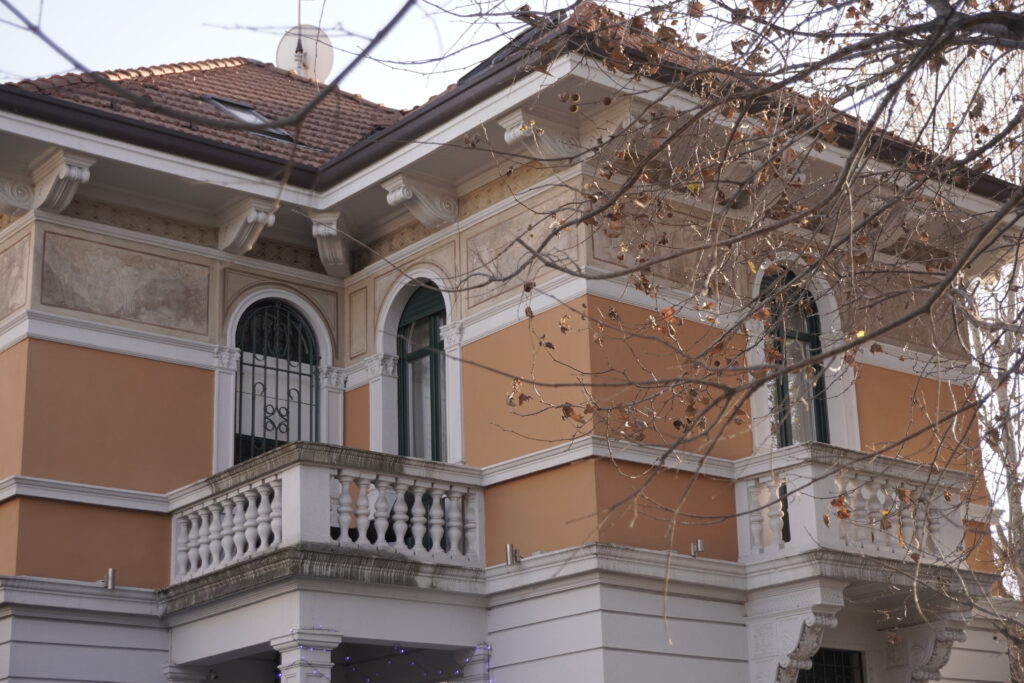
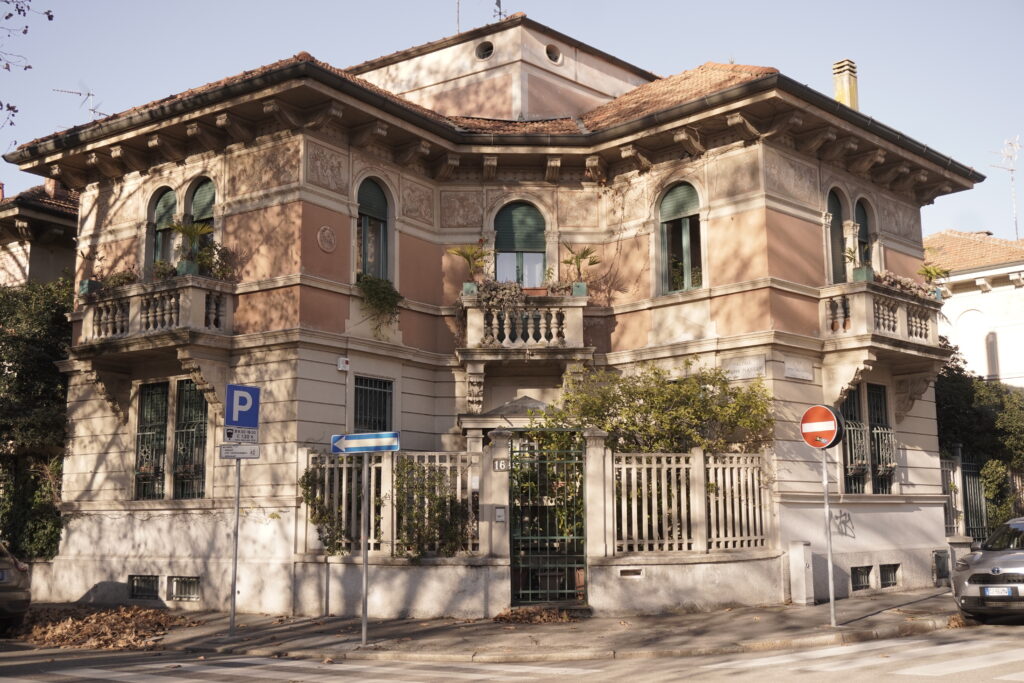
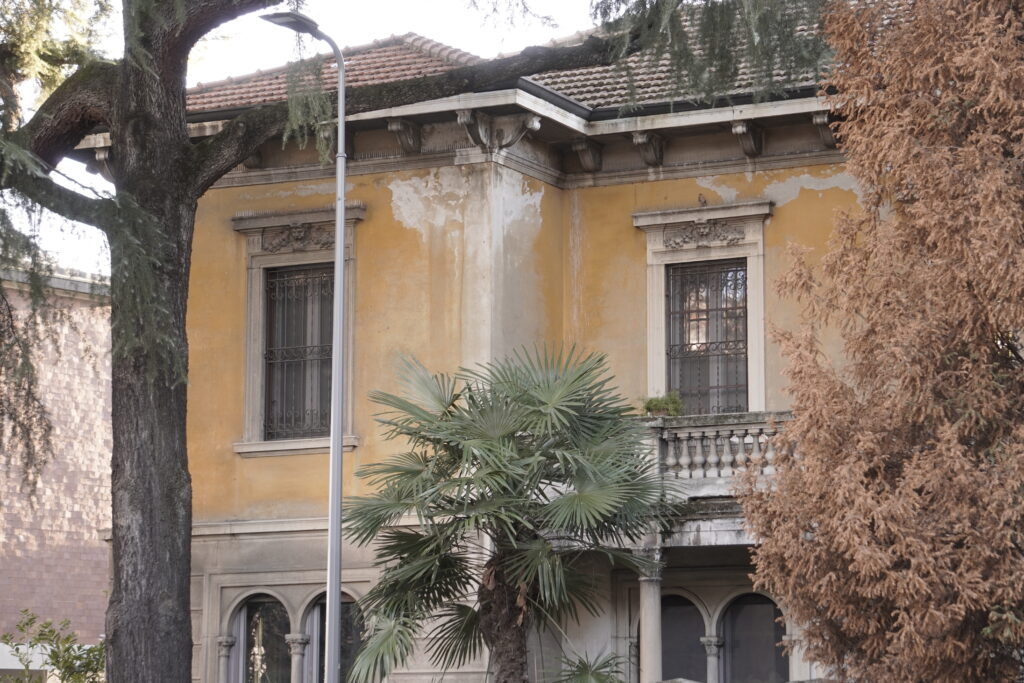
I took the Lilla metro line to Marche station, walked along Via Landriani, and started my tour from Piazzale Giuseppe Massari. Here, you can already spot the first independent houses with private gardens, including Villa Massari at the corner of Via Bersezio and another villa at the corner of Via Salvagnoli.
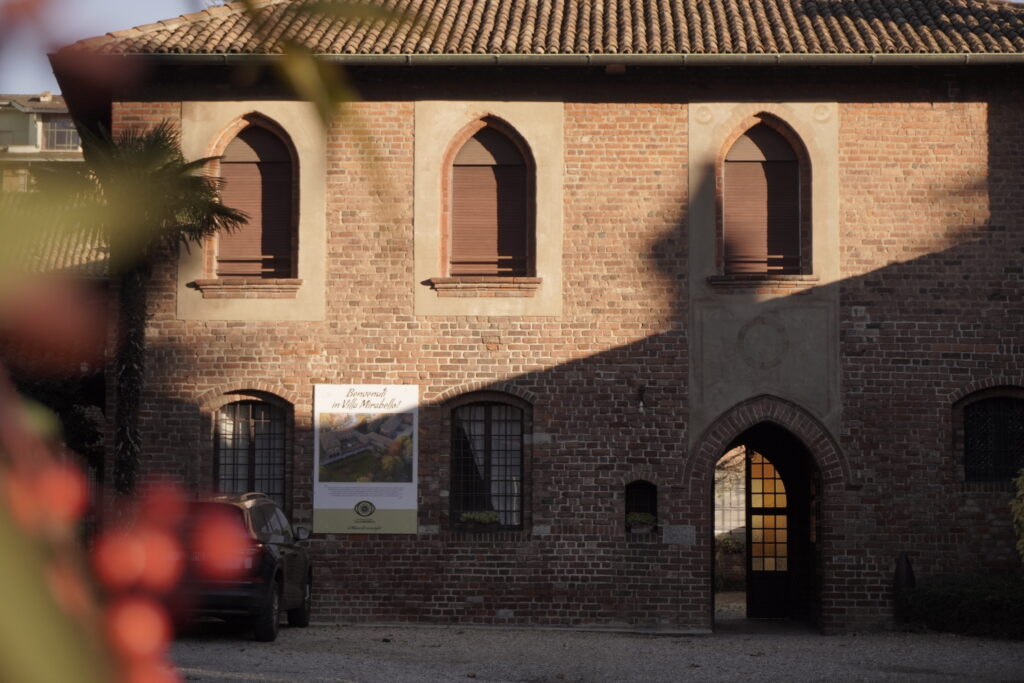
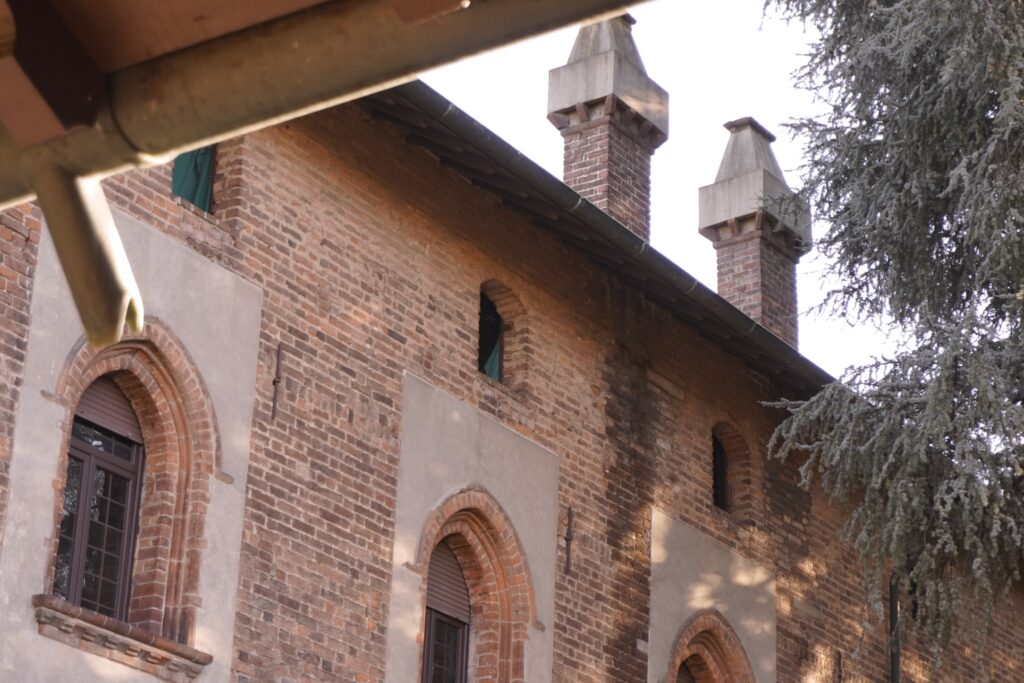
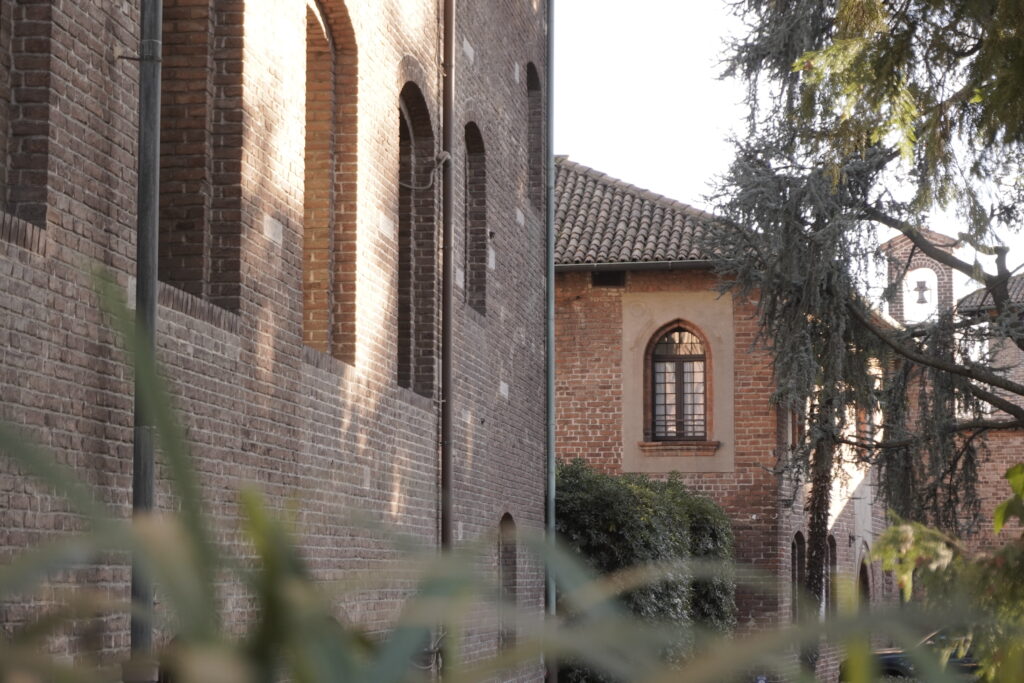
I then continued along Via Mirabello, passing a brick wall that hides the magnificent Villa Mirabello. Now home to the foundation of the same name dedicated to the visually impaired, the villa dates back to the 15th century and has housed several prominent families and activities over the centuries, from the Visconti to the Medici, and even Ludovico il Moro. After experiencing uncertain times, it regained prominence in the early 1900s when it became a refuge for visually impaired war veterans, marking the origins of today’s foundation.
For this walk, there’s no need for a precise itinerary—just a bit of curiosity and a willingness to get lost among the streets.
I took the Lilla metro line to Marche station, walked along Via Landriani, and started my tour from Piazzale Giuseppe Massari. Here, you can already spot the first independent houses with private gardens, including Villa Massari at the corner of Via Bersezio and another villa at the corner of Via Salvagnoli.
I then continued along Via Mirabello, passing a brick wall that hides the magnificent Villa Mirabello. Now home to the foundation of the same name dedicated to the visually impaired, the villa dates back to the 15th century and has housed several prominent families and activities over the centuries, from the Visconti to the Medici, and even Ludovico il Moro. After experiencing uncertain times, it regained prominence in the early 1900s when it became a refuge for visually impaired war veterans, marking the origins of today’s foundation.
The villa is closed to the public, but aside from being included in the properties open during FAI heritage days, the Foundation occasionally organizes events, sometimes with guided tours (you can check here for details).
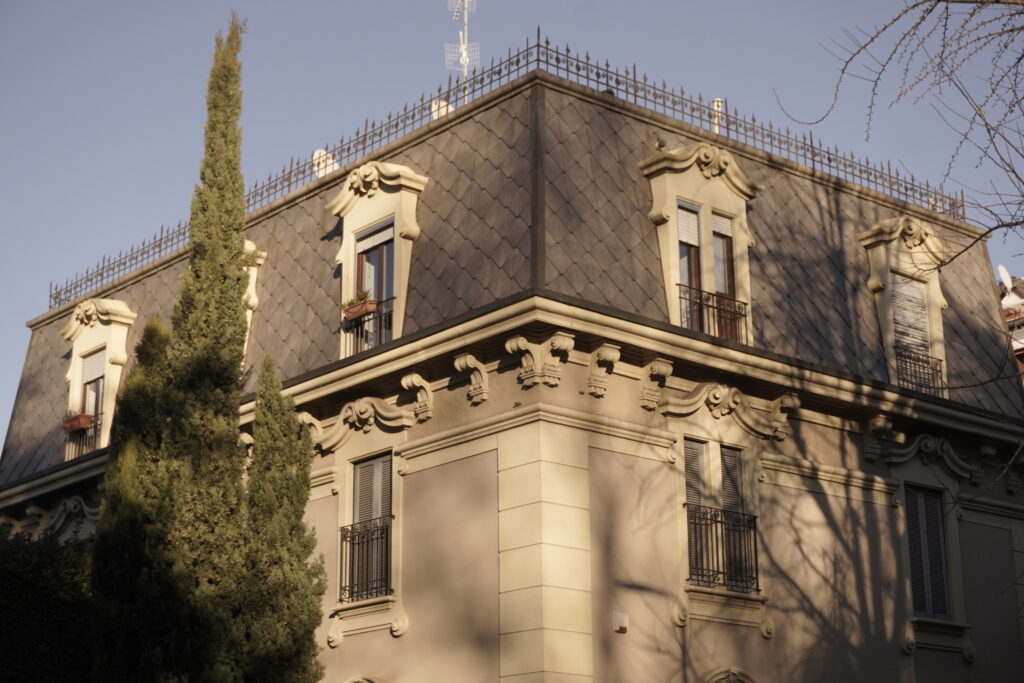
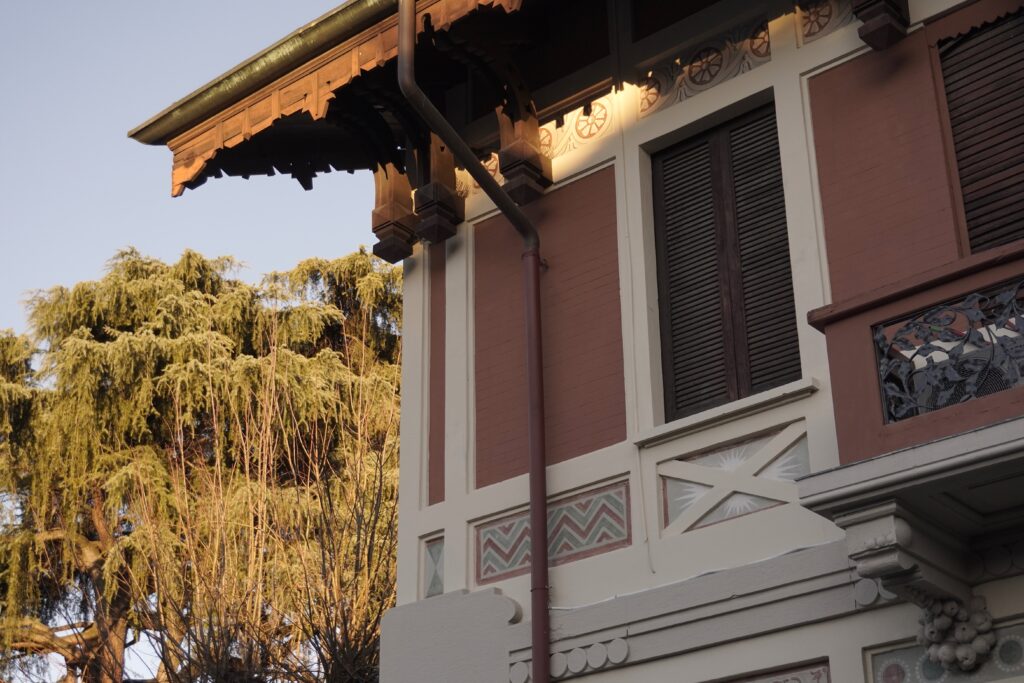
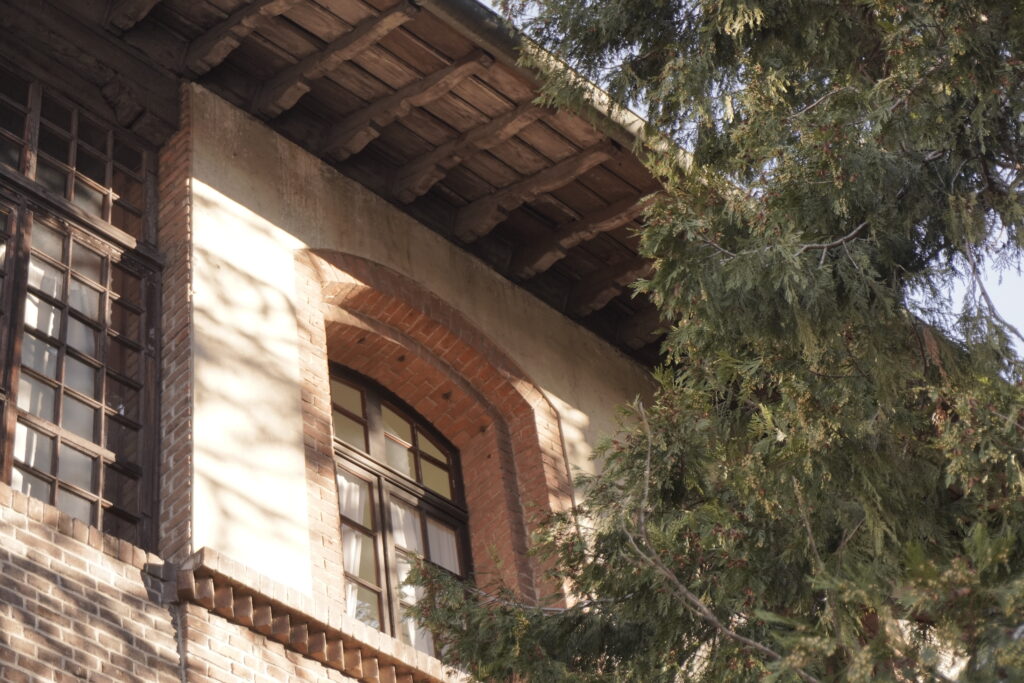
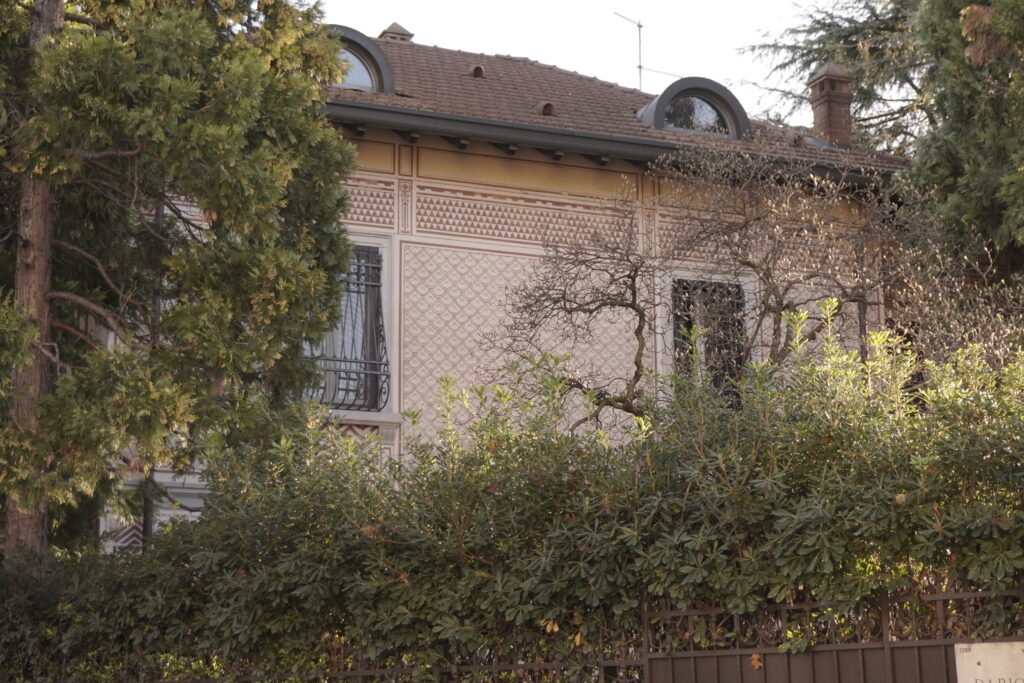
Beyond the villa, which certainly deserves special attention, the entire Via Mirabello is fascinating, lined with beautiful villas. At this point, the noise of traffic already fades into a distant memory.
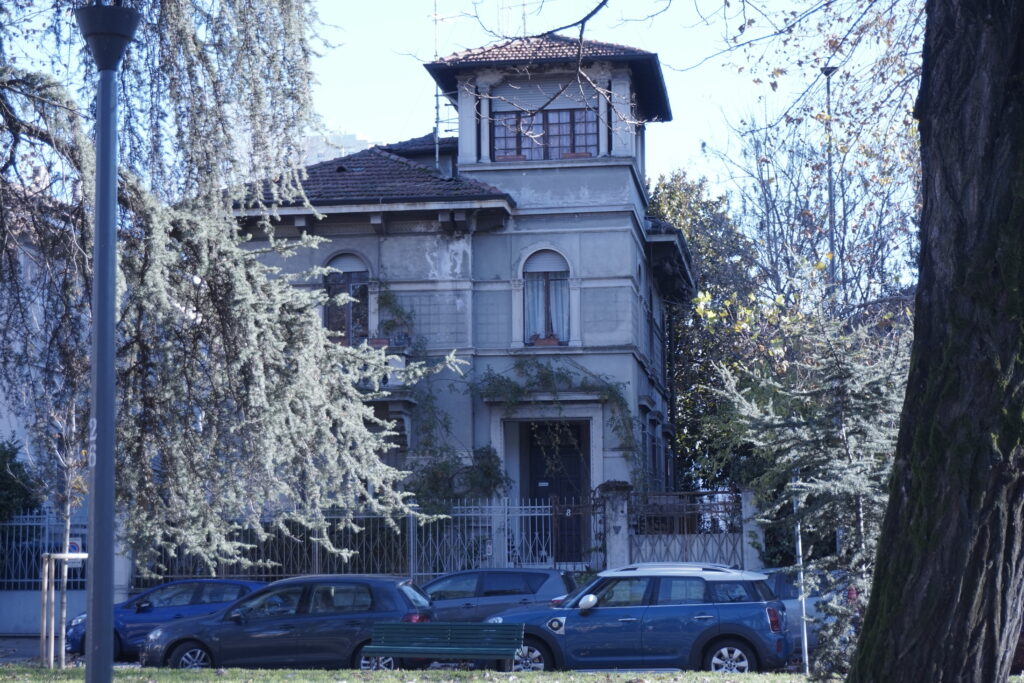
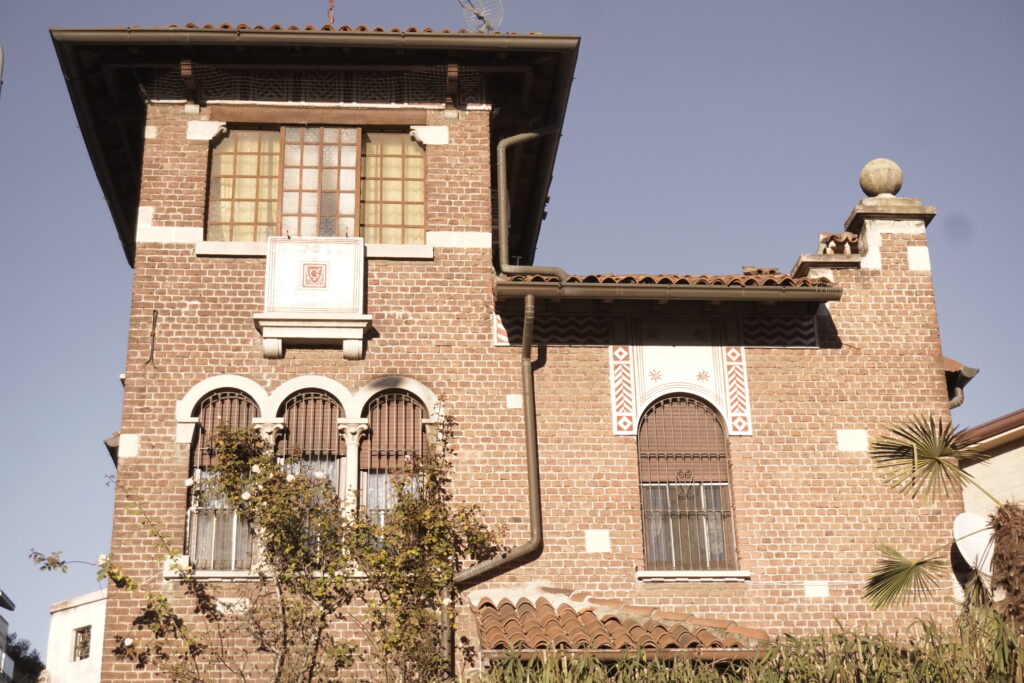
I continued along Via Ximenes until I reached the intersection with Via Arbe, then took Via Valussi. Here, at the crossroads, you’ll find another charming red-brick villa with a small tower—take a moment to admire it before heading back into the heart of Maggiolina.
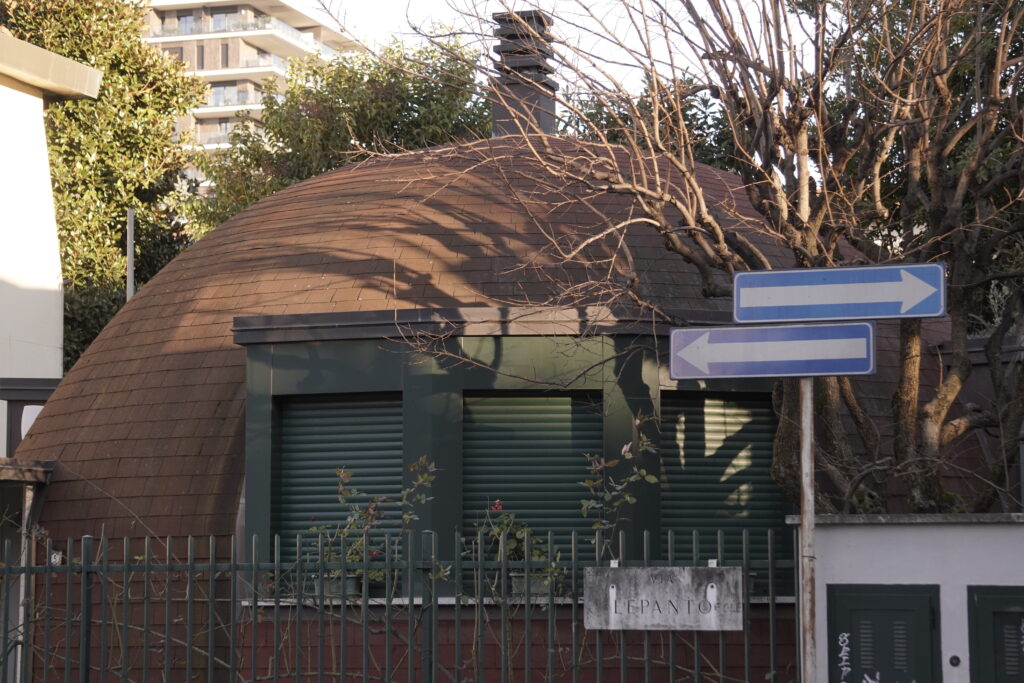
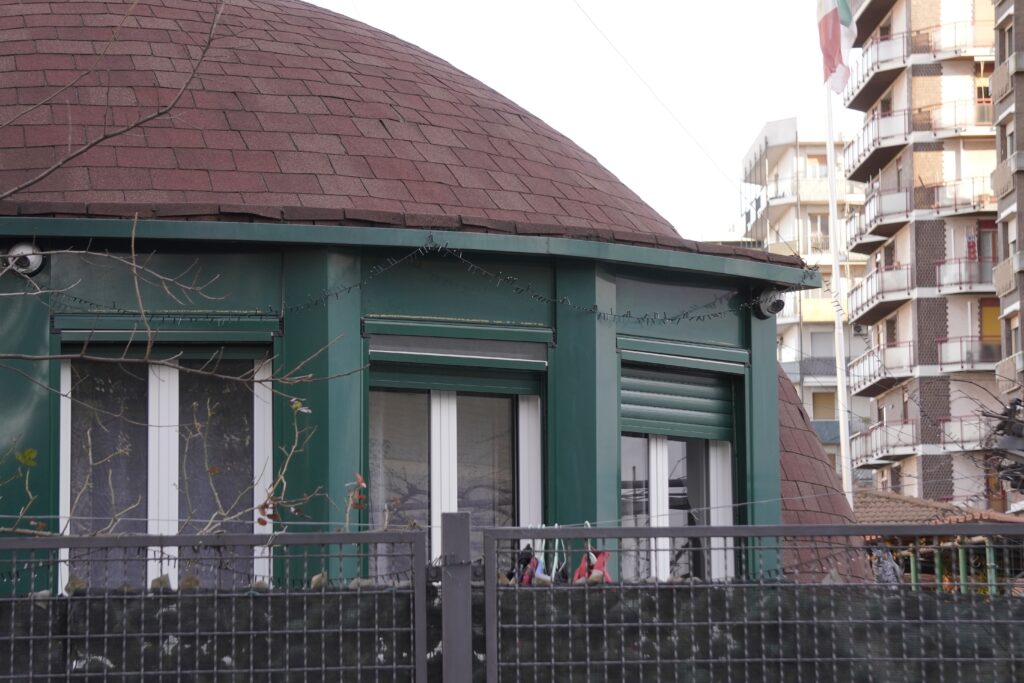
Continue along Via Valussi, then proceed on Dario Papa, and you’ll find yourself face-to-face with the Igloo Houses on Via Lepanto.
These unique homes were built near the so-called Villaggio dei Giornalisti, a neighborhood developed in the early 1900s as part of an urban project aimed at providing housing for the lower and middle bourgeoisie. It was commissioned by a cooperative made up mainly of journalists and lawyers—hence the name.
Interestingly, despite its original purpose, the village emerged amidst streets lined with independent villas that are anything but modest.
Later, in the post-war period, these Igloo Houses—eight in total—were built alongside about twenty mushroom-shaped houses, which were unfortunately demolished in the 1960s. Their construction was a response to the severe and urgent housing crisis caused by the large number of displaced people following the bombings.
To be honest, the remaining Igloo Houses are nothing extraordinary. In my humble opinion, they are poorly maintained and somewhat neglected, with little care or appreciation for their historical value. However, given their architectural uniqueness, it’s still worth passing by to see them with your own eyes and form your own opinion. And with all due respect to engineer Mario Cavallè, the mastermind behind the project, I can’t help but feel disappointed by their current state.
Alas, just around the corner on Via Perrone, at number 8, lies another example of a forgotten architectural gem: the Palafitta House, the former home of architect Luigi Figini. This modernist masterpiece now sits in complete abandonment, having passed into the hands of heirs who, evidently, have not made it a priority.
From here, I encourage you to keep wandering through these streets without a fixed destination. Always remember to look up, peek beyond hedges and gates, and take in every hidden architectural marvel this neighborhood has to offer.
The CIN is a unique code that identifies the accommodation facility, replacing the CIR (Regional Identification Code), which previously varied by region and sometimes even by municipality. Now, the CIN is mandatory for all.
Procedure for Obtaining the CIN in Milan In Milan, before requesting the CIN, it is necessary to obtain the CIR, for which the CIA (Notice of Commencement of Activity) is required.
CIA (Comunicazione di inizio attività)
Where to apply: “Impresa in un giorno” portal HERE
SUAP Contact: 02.22178000
Cost: €70.00
Who can apply?
The property owner
The Property Manager, with a signed authorization from the owner (to be attached to the request)
Required Documents:
Cadastral map 1:100 or 1:200
Signed authorization from the owner and digitally signed by the Property Manager
Processing Time: 30 days (but submission of the request is sufficient to proceed with the CIR)
CIR (Codice Identificativo Regionale)and Ross1000
How to obtain it? After submitting the CIA, the SUAP office forwards the request to Ross1000, which generates the CIR and registers the property in the database.
Processing Time: About 30 days.
Ross1000 Access: Once the CIR is received, the owner must log in with SPID and authorize the Property Manager.
The credentials are issued in the name of the SUAP registrant and sent to the email specified in the request. Each property has separate credentials. If hosting begins before receiving the credentials, the guest list must be sent via PEC within 24 hours.
CIN (Codice Identificativo Nazionale)
Where to apply? Online with SPID HERE Booking.com: From September 2024, listings without a CIN can no longer be published. Airbnb: Deadline postponed to January 2, 2025 (with a possible 30-day extension if proof of application submission is provided).
These new regulations require increased bureaucratic attention but ensure greater transparency in tourist rentals. If you need assistance with these procedures, I can help you navigate the various steps and ensure everything is in order.
Milan offers countless scenic spots for enjoyable walks, whether alone, during a lunch break, or on a beautiful winter day. One of my favorite routes is in the Porta Venezia area, where Art Nouveau (Liberty style) flourished thanks to the wealthy industrial bourgeoisie of the early 20th century.
The best way to reach the neighborhood is by taking the red metro line to Porta Venezia.
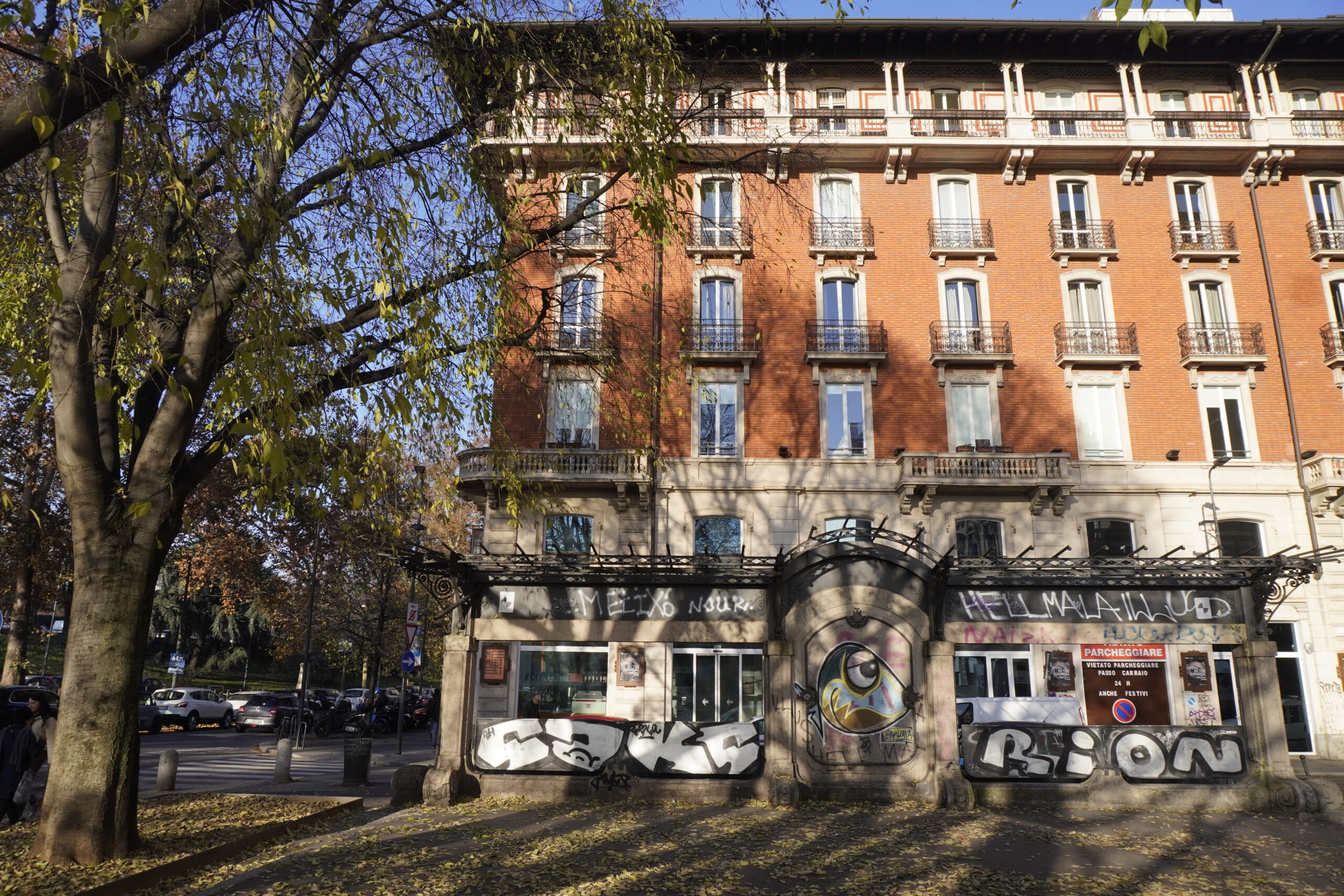
As soon as you step out into Piazza Oberdan, you can already sense the grandeur of the past by admiring the old entrance of the Albergo Diurno, now sadly out of use.
Ingresso Albergo Diurno
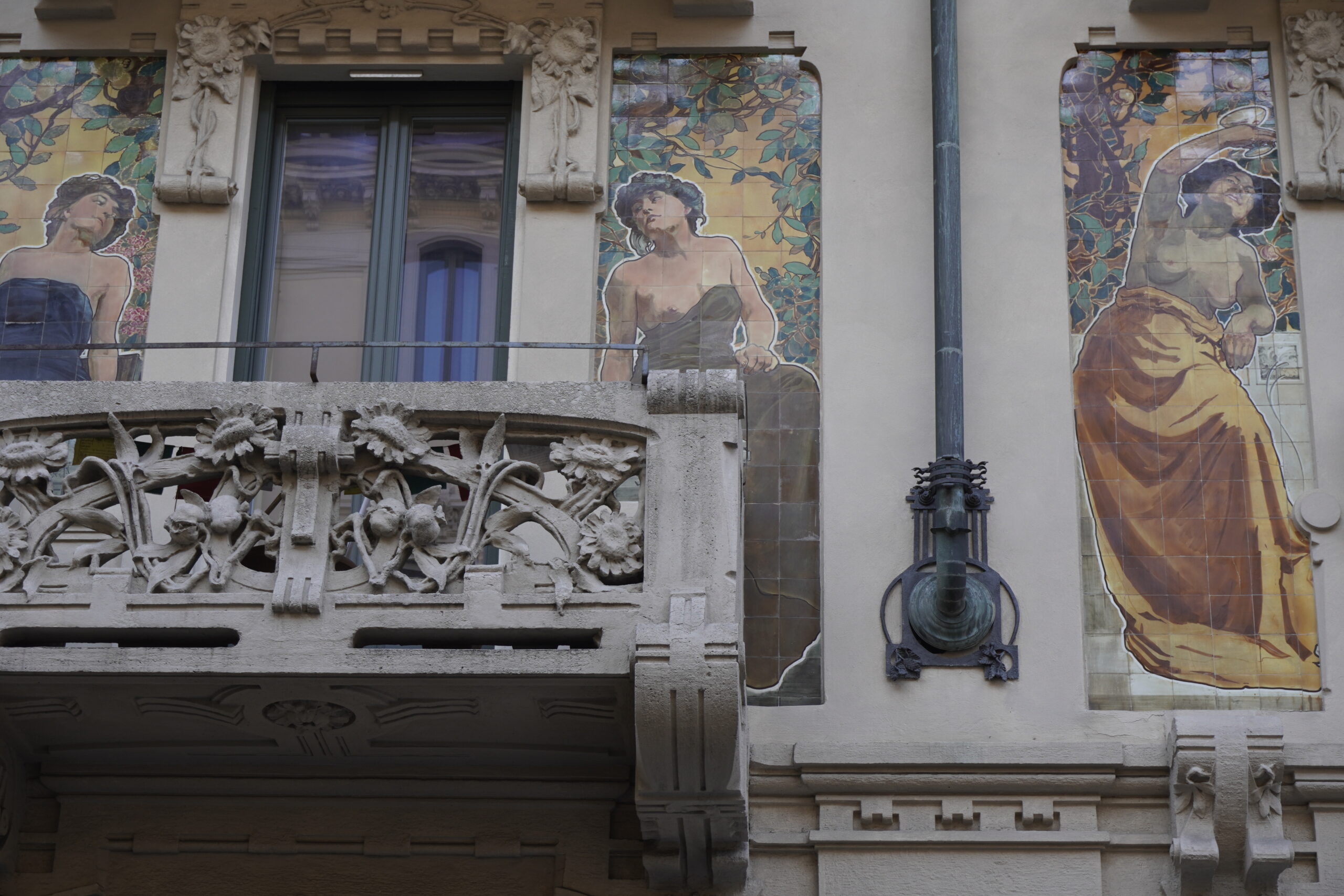
Continue now towards Via Marcello Malpighi, where you’ll find Casa Galimberti at number 3—a true gem of Milanese Liberty style. This stunning building was commissioned by the Galimberti family and designed by architect Giovanni Battista Bossi in 1903.
What immediately catches the eye are the wrought-iron and concrete railings on the balconies, along with the ornate ceramic tiles covering the façade. These tiles, painted using a fire-glazing technique, depict male and female figures intertwined with elegant floral motifs, all designed by Bossi himself.
Casa Galimberti
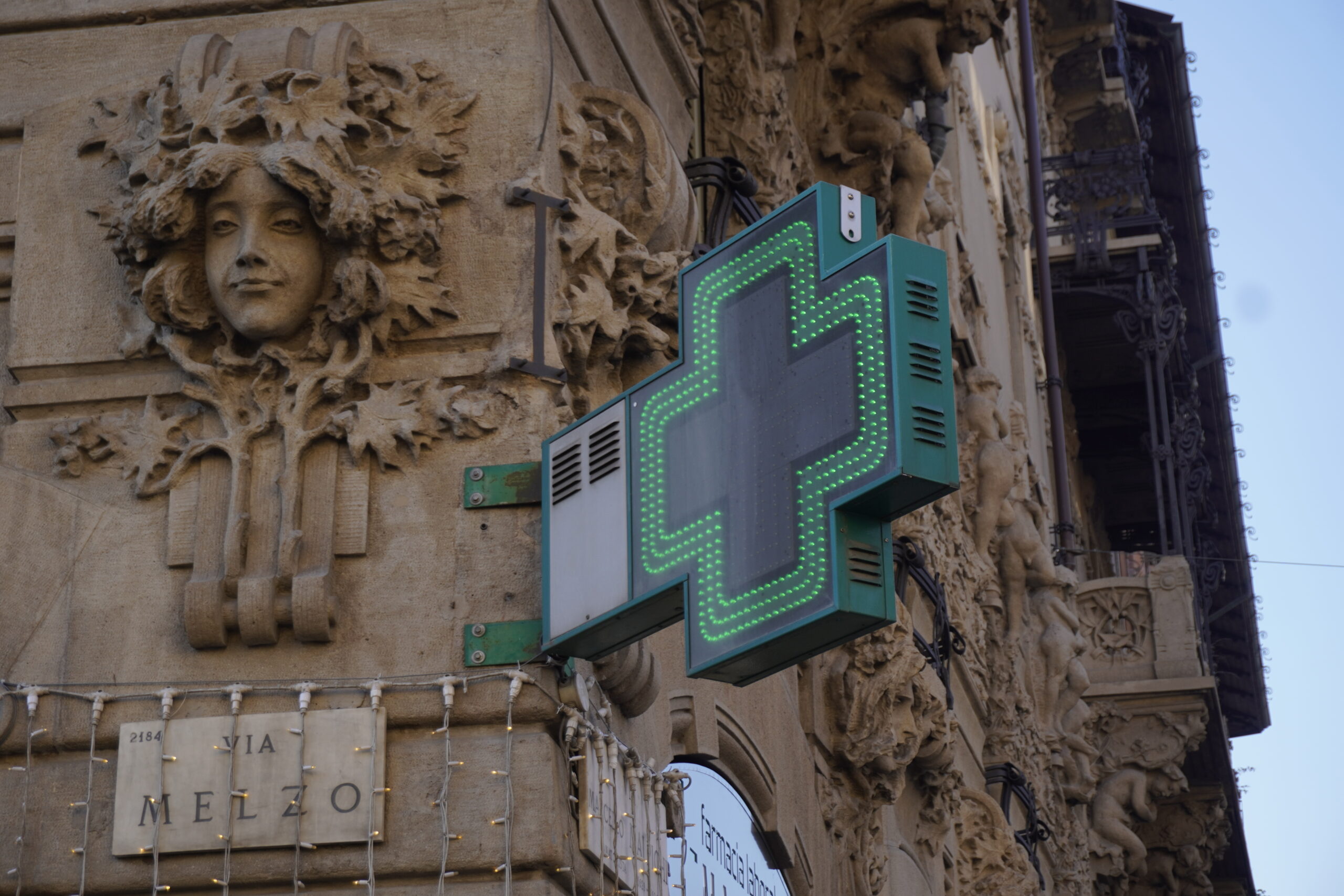
Let’s continue along Via Malpighi to reach Casa Guazzoni, located at the corner of Via Melzo (Via Malpighi, 12). This building, like Casa Galimberti, was also commissioned by Giovanni Battista Bossi around the same time.
What makes Casa Guazzoni stand out is the sculptural richness of its façade. Unlike Casa Galimberti, where ceramic tiles take center stage, here the intricate stone reliefs dominate, covering much of the exterior with elaborate floral and figurative motifs typical of the Liberty style. The decorative ironwork of the balconies and windows further enhances its artistic impact, making it one of the most striking examples of early 20th-century Milanese architecture.
Casa Guazzoni
On Via Melzo, right in front of Casa Guazzoni, simply turn 90 degrees, and you’ll spot the Biblioteca Venezia, formerly the Cinema Dumont, which opened in 1910. This charming library was originally one of the first buildings in Milan designed to house a cinema. The name Dumont was chosen to evoke France, the birthplace of cinema, adding a European cultural touch to its identity.
Now, let’s head back toward Porta Venezia and make our way to Viale Piave, 42, home to the historic Sheraton Diana Majestic hotel. This elegant establishment was inaugurated in 1908 and designed by Achille Manfredini on the grounds of the former Bagni Diana, Milan’s first swimming pool, which no longer exists.
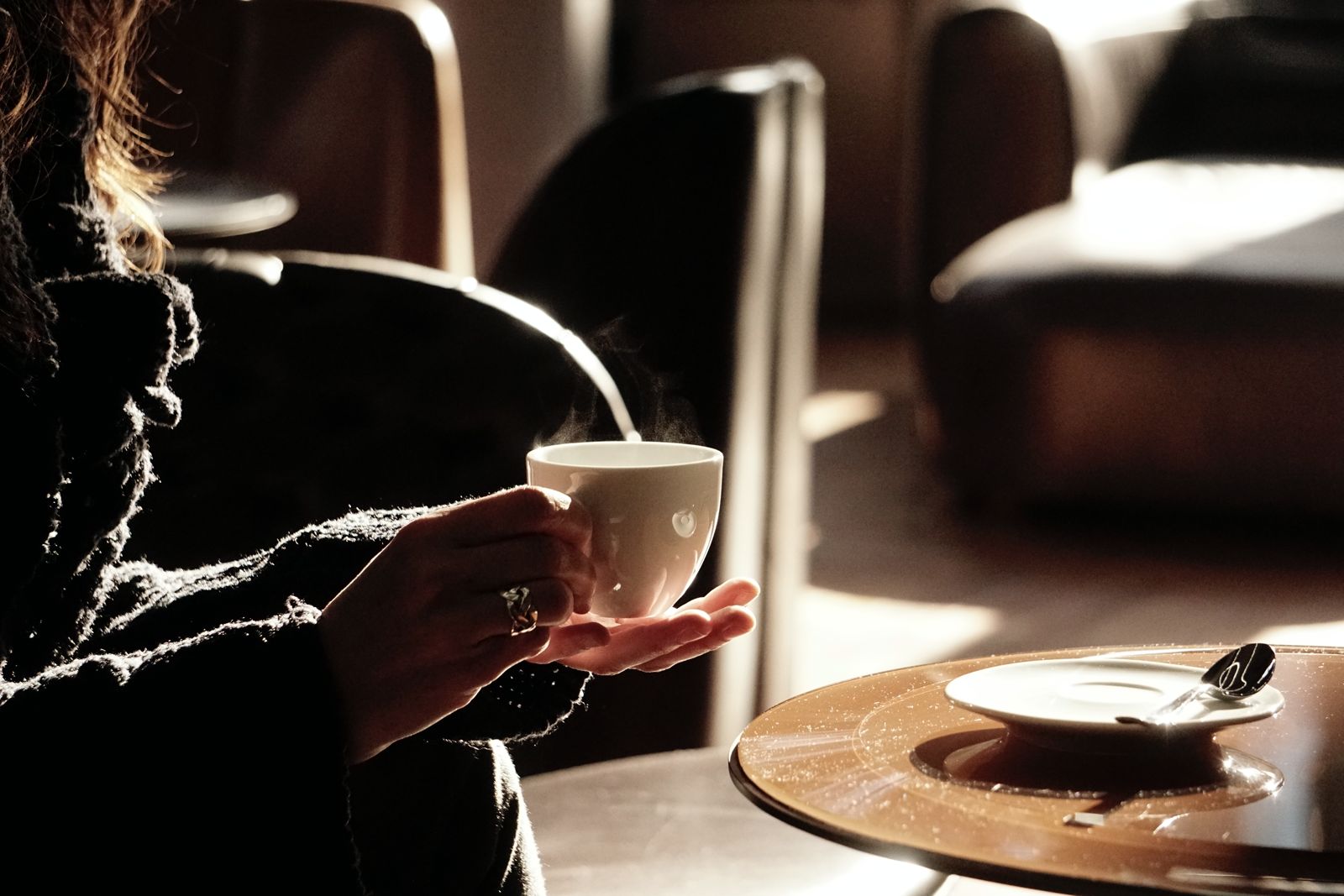
The original project included a Kursaal, a multi-purpose venue featuring a theater, restaurant, hotel, pelota court, and, of course, the famous pool. Even if you’re not a guest at the hotel, you can still step inside and enjoy a well-deserved break with a hot tea in the bar’s cozy lounge, all while admiring the beautiful garden—a hidden oasis in the heart of the city.
After a well-deserved break, let’s continue our walk toward Casa Berri Meregalli, located at Via Mozart 21. Built in 1911, this building stands out for its mysterious and eclectic style, blending elements of Gothic and Liberty in a truly unique way.
Unlike the more delicate Art Nouveau façades seen earlier, Casa Berri Meregalli is bold and imposing, with heavy stonework, sculptural reliefs, and intricate iron details. But don’t stop at the exterior—take a moment to step closer to the atrium, where you’ll find stunning mosaics and a breathtaking ceiling that make this hidden architectural gem even more fascinating.
Atrio Casa Berri Meregalli
Passing by the flamingos of Villa Invernizzi and Palazzo Sola Busca (Via Serbelloni, 10), better known as Ca’ de l’Oreggia (House of the Ear), we encounter one of Milan’s quirkiest details: a giant bronze intercom shaped like an ear. In my opinion, this is the only real reason to stop here, as the rest of the building is rather unremarkable.
Continuing our walk, we reach Casa Tensi on Via Vivaio, 4. Built in 1904, it differs from the other Liberty-style buildings with its lighter color palette and bow windows, which give it a distinctly Northern European feel.
Finally, we arrive at Casa Campanini at Via Bellini, 11. Designed and built by architect Alfredo Campanini in 1904, this building echoes Casa Guazzoni, bringing us back to the floral themes of the Liberty style. The grand iron entrance, flanked by monumental statues, is impossible to miss. Campanini drew inspiration from the nearby Palazzo Castiglioni, a masterpiece of architect Giuseppe Sommaruga on Corso Venezia.
And with that, my Liberty tour of Milan comes to an end! But this Art Nouveau journey doesn’t stop here—there are countless other stunning buildings scattered throughout the city, waiting to be discovered.
Most of the palaces I’ve mentioned are not open to the public, as they remain private residences. However, during FAI Heritage Days, some of these hidden treasures occasionally open their doors for visitors. Keep an eye out—you never know what you might get to see!
Gestisci Consenso
Per fornire le migliori esperienze, utilizziamo tecnologie come i cookie per memorizzare e/o accedere alle informazioni del dispositivo. Il consenso a queste tecnologie ci permetterà di elaborare dati come il comportamento di navigazione o ID unici su questo sito. Non acconsentire o ritirare il consenso può influire negativamente su alcune caratteristiche e funzioni.
Funzionale
Always active
L'archiviazione tecnica o l'accesso sono strettamente necessari al fine legittimo di consentire l'uso di un servizio specifico esplicitamente richiesto dall'abbonato o dall'utente, o al solo scopo di effettuare la trasmissione di una comunicazione su una rete di comunicazione elettronica.
Preferenze
L'archiviazione tecnica o l'accesso sono necessari per lo scopo legittimo di memorizzare le preferenze che non sono richieste dall'abbonato o dall'utente.
Statistiche
L'archiviazione tecnica o l'accesso che viene utilizzato esclusivamente per scopi statistici.L'archiviazione tecnica o l'accesso che viene utilizzato esclusivamente per scopi statistici anonimi. Senza un mandato di comparizione, una conformità volontaria da parte del vostro Fornitore di Servizi Internet, o ulteriori registrazioni da parte di terzi, le informazioni memorizzate o recuperate per questo scopo da sole non possono di solito essere utilizzate per l'identificazione.
Marketing
L'archiviazione tecnica o l'accesso sono necessari per creare profili di utenti per inviare pubblicità, o per tracciare l'utente su un sito web o su diversi siti web per scopi di marketing simili.